Ch-ch-changes: Entering the GPHG’s New Era



Opinions
Ch-ch-changes: Entering the GPHG’s New Era
The red carpet at last weekend’s Grand Prix de Haute Horlogerie felt more exciting than ever, but what does it all mean from the outside looking in?

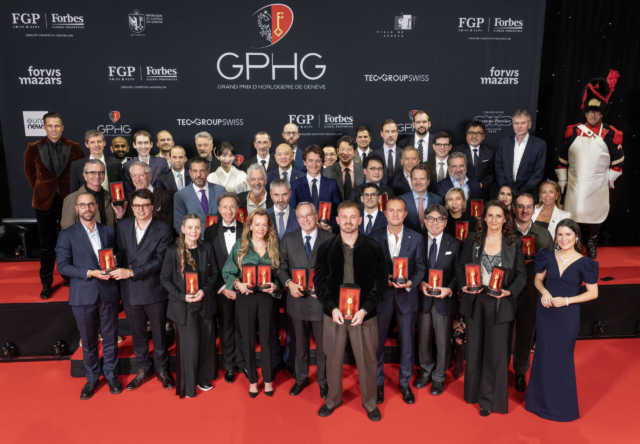
Last weekend, the Grand Prix Horlogerie de Genève (GPHG) held the 26th edition of its awards ceremony. And while not all of us could attend in person, those of us livestreaming the awards from the comfort of a La-Z-Boy still noticed the changes to the event’s structure. These changes, at least in our opinion, also made the awards feel expansive and inclusive at the same time (which is a good thing).
Not only was the GPHG a legitimate pop culture moment – UNESCO’s Director-General Khaled El-Enany was on hand to highlight the cultural significance of watchmaking worldwide – but it felt like all your favorite horological tastemakers from all around the world had assembled in Geneva for what has been called “the Oscars of Horology.”
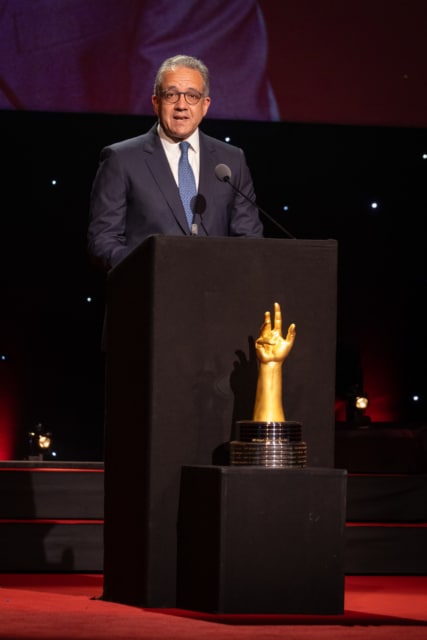
And like the Oscars, its detractors complained that the 3+ hour ceremony was too long; we’d argue that it felt like a celebration of all the good things happening in watchmaking today.
Here’s Watchonista’s armchair assessment of what made the 2026 Grand Prix de Haute Horlogerie so exciting.
New Groove
Admittedly, I have never attended the GPHGs. Nor have I been part of the jury or involved in any way with the annual event. So, I don’t know how much pomp and circumstance the event has had in the past, but the 2026 ceremony felt more than a mere industry hobnob. In fact, as has been the trend for the last few GPHG awards ceremonies, this year’s awards feel more relevant.

Additionally, while we don’t have official numbers on how many people tuned into the livestream, this year’s production values were ramped up. For example, writers Justin Hast and Emily Marsden served as the red-carpet correspondents red carpet correspondents. And, for the first time, the Grand Prix d’Horlogerie de Genève used English as the lingua franca of the awards, making the presentation more accessible (around 1.5 billion people speak English worldwide, making it the most widely spoken language on Earth).
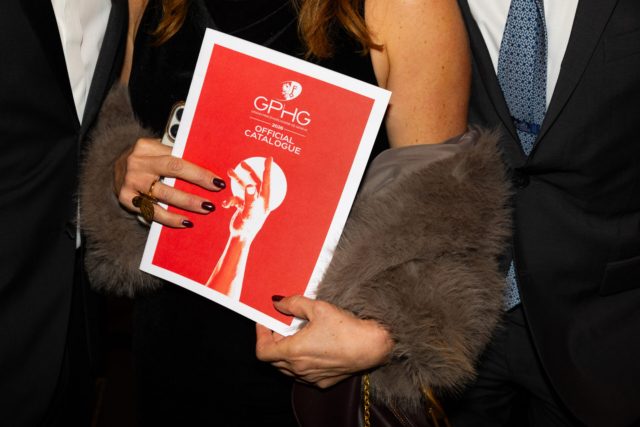
It felt like everybody was invited to the party this year.
New Math
Before anyone can pick up their GPHG statuette, the watchmakers must go through a meticulous vetting process.
This year, close to 200 brands submitted more than 300 watches and clocks for consideration. More than 1,000 members of the GPHG Academy (which consists of industry professionals) then whittled the applications down to 84 finalists, which a 24-member Jury chosen from the Academy’s ranks then judged. Fun Fact: The GPHG established the Academy and Jury in 2020 to further its “core values of neutrality, independence, and universality.”
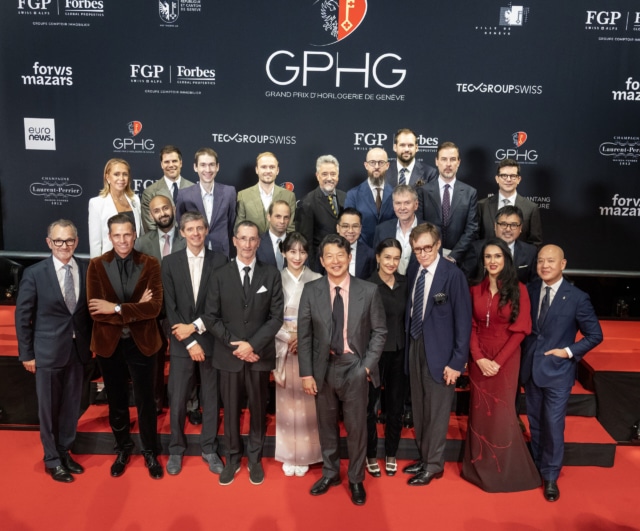
This 24-person jury, led by first-time Jury President and the founder of Revolution Watch, Wei Koh, physically examined each of the 84 nominated timepieces in person and under notarial supervision. Under this system, there is pretty much no way to sway the jury.
This year, it feels like we have this closed-voting system to thank for the diversity of prize-winning, non-wristwatch timepieces, including the Chopard Mystery Nut necklace (Jewelry), the Piaget Swinging Pebble (Gemset) pendant, and the Audemars 150 Heritage (Calendar & Astronomy).
New Rules
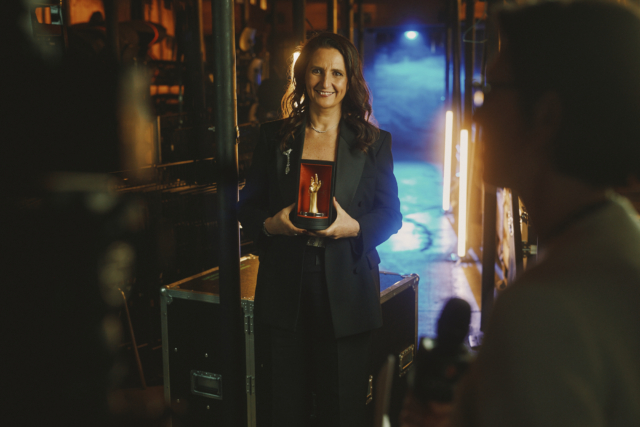
Another big twist for 2026 is that from this year onward, one-of-a-kind models will only be accepted in two categories: Jewellery and Mechanical Clock. The Academy says this ensures consistency within the competition, but it also prevents “ringers” with an unfair advantage from being considered.
They have also expanded the scope of the “Iconic Watch Prize” (won by the Audemars Piguet, Royal Oak “Jumbo” Extra-thin Selfwinding Flying Tourbillon Chronograph RD#5 “150th Anniversary”) and the “Special Jury Prize” (which was awarded to an event, not an object, the Patek Philippe, “Watch Art” Grand Exhibitions).

These categories now include all watches on the market, not just ones that have been officially entered into the competition. The Academy says this move allows the Jury to “consider and recognize brands or iconic re-interpretations across the broader market.” But it also fights against a perception that the GPHGs are pay-to-play.
As our own Deputy Managing Editor Elena Fichtel has noted, “These changes are, in my opinion, significant and interesting.” Not just for industry insiders but for enthusiasts as well.
New Categories
Readers have also noticed that, for this year’s awards, GPHG got rid of several prize categories and added others. These changes were strategic.
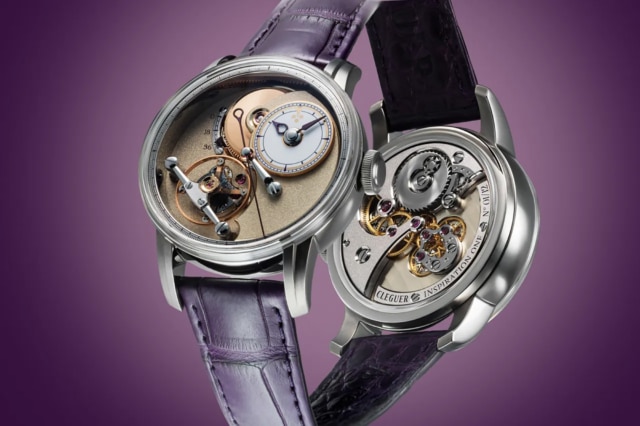
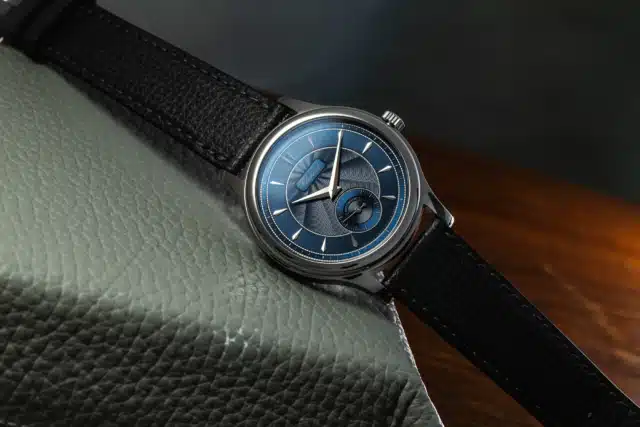
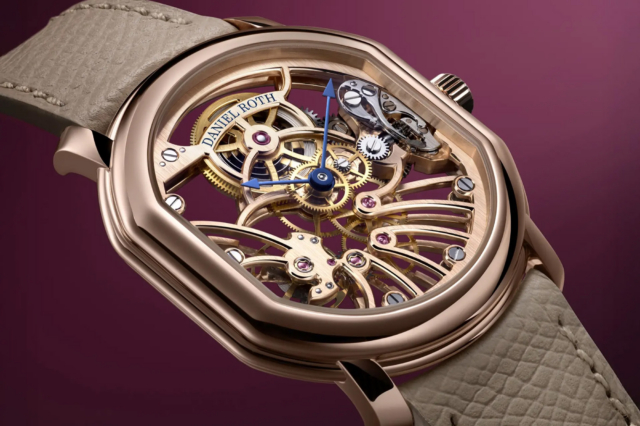
For example, to reflect changing purchasing behaviors and meet industry expectations, the Academy 86’d the gender-based (Men’s and Ladies) categories and introduced new technical categories: Essential Watch (for everyday watches and won by the Daniel Roth Extra Plat Rose Gold Skeleton) and Complication Watch (won by the Cleguer Inspiration One in recognition of its proprietary Innate escapement).
With traditional boundaries already being blurred, the goal was to make the competition more representative of the market.
Another new category is the Calendar and Astronomy category, won by the aforementioned AP 150 Heritage pocket watch. Finally, the Gemset category was a welcome addition, as it always seemed a bit unfair that beautiful-but-not-overly-bejeweled pieces like this year’s Gemset winner, the Piaget Swinging Pebble, had to compete against full-on Jewellery watches like this year’s winner, the Chopard Mystery Nut.
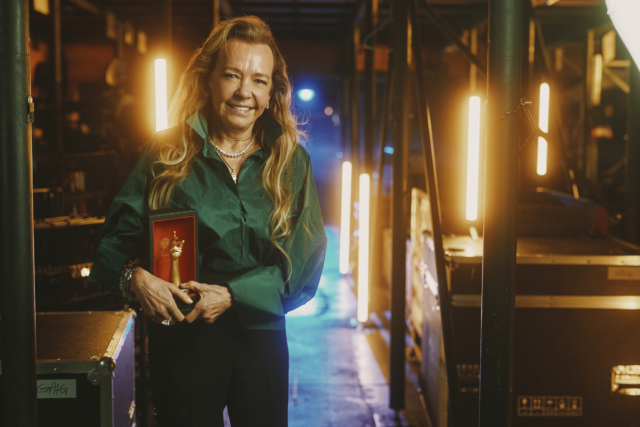
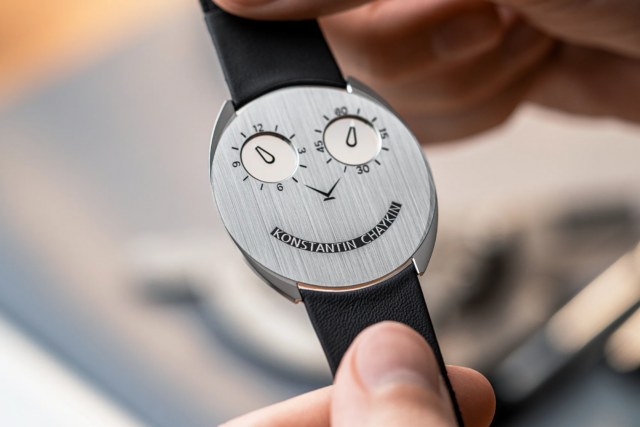
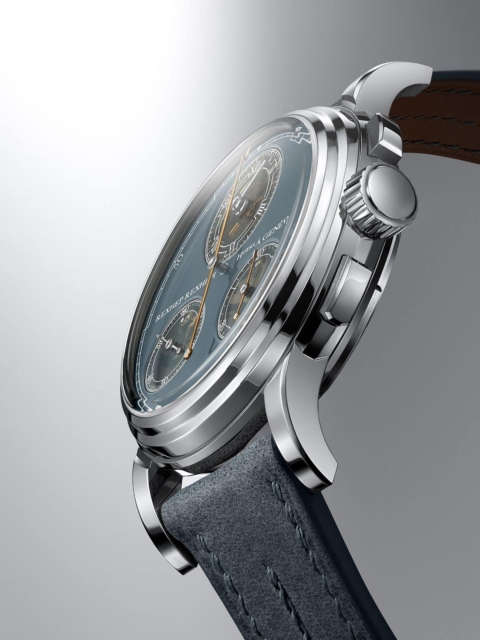
None of these new categories are radical; rather, they reflect the incremental changes the watch industry has been undergoing as it navigates its future. After all, when you have an independent like Rexhep Rexhepi winning the “Aiguille d’Or” for its first Chronograph Flyback or Russian brand Konstantin Chaykin taking the “Audacity Prize” for its ThinKing Mystery, it shows that there is still room for surprises in watchmaking.
And, of course, with wins by the Otsuka Lotec No. 8 (Petite Aiguille prize) and Cleguer’s first-ever watch, the Inspiration One (Complication Watch Prize), the Academy has proven that it is as interested in investing in the future as it is in recognizing established Maisons.
Advertisement