All Hail: Brew Celebrates New York City at the Windup Watch Fair with a Tribute to the Iconic Checkered Taxi


Interviews
Geneva Watch Days: Jean-Christophe Babin on Why Exhibitors Win 35% of GPHG Awards
What started as a Covid-era emergency phone call is now 71 brands strong, 17,000 public visitors deep, and attracting Nobel laureates. As Geneva Watch Days returns for its seventh edition – September 2 to 6, 2026 – Jean-Christophe Babin, the event's president, explains why the accidental fair that was never meant to last has become the most democratic and creatively charged week on the watch calendar.
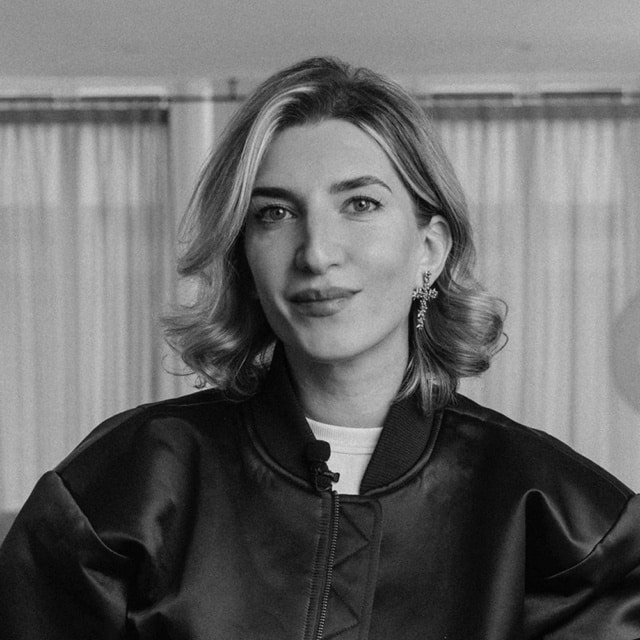
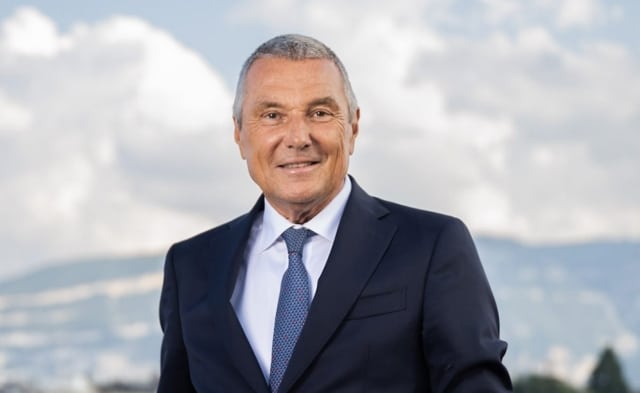
The origin story of Geneva Watch Days is so improbable it could pass for fiction. In early 2020, within the same catastrophic week, both Baselworld and the SIHH cancelled entirely – not postponed, cancelled – leaving the Swiss watch industry staring into a calendar void. Jean-Christophe Babin, then CEO of Bvlgari, started making phone calls. George Kern. Patrick Pruniaux.
A few others. The question: could they organise something that worked within Covid, rather than against it? No centralised exposition hall, but hotel suites, boutiques, manufactures – each brand choosing its own stage. Three attempts. May: cancelled. June: cancelled. August: it worked. With roughly twenty brands, a makeshift pavilion at the Rotonde du Mont-Blanc on Lake Geneva's edge, and more hope than certainty, Geneva Watch Days was born.
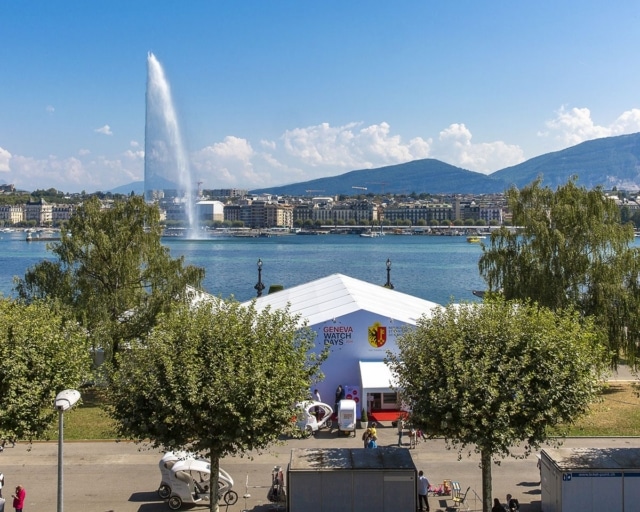
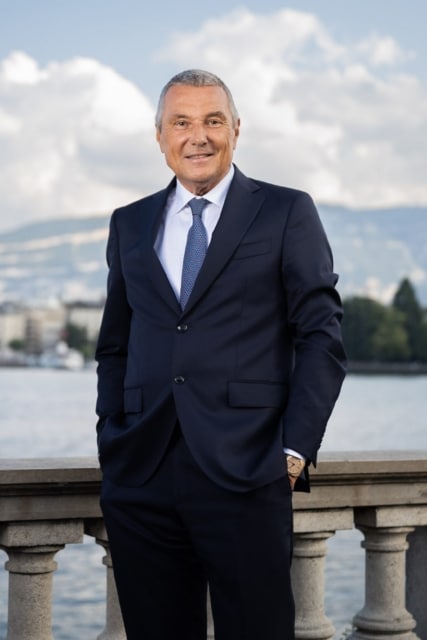
"It was never born with the idea of lasting," says Babin, now the event's president. And yet here we are – seven editions on, 71 brands registered for 2026, and a wait list. The city, it turns out, was never incidental to any of this. "Geneva is the watchmaking capital in terms of density of watchmaking activity," Babin says – and within two hours of the Rotonde du Mont-Blanc lie Neuchâtel, the Vallée de Joux, La Chaux-de-Fonds: roughly 95% of Swiss watchmaking, all reachable before lunch.
No other city on the circuit offers that: a collector attending Geneva Watch Days can handle a watch on Tuesday, tour a manufacture on Wednesday and meet the handful of masters responsible for a grande sonnerie on Thursday – and be back for Friday's round table. The Swiss watch calendar, which once meant 65 slots at Palexpo, now accommodates 128 maisons across Geneva Watch Days and Watches & Wonders combined.
The Arithmetic of Disruption
The genius of Geneva Watch Days – the reason it survived, then thrived – is economics, plain and simple. Entry fees run from CHF 10,000 for the smallest participants to CHF 80,000 for the heavyweights. The entire event operates on a total budget of well under CHF 2 million. "That's a fraction of what a single brand pays at Watches & Wonders," says Babin.
For a small Geneva-based house bringing fifteen people in from abroad, the total outlay – entry fee plus hotel rooms at pre-negotiated rates – comes to around CHF 40,000. "For forty thousand francs, you have a fully hosted salon. That is unique in the world."
The format remains deliberately decentralised. Brands choose their spaces: manufacture, boutique, hotel suite, wherever suits their scale and ambition. Meanwhile the Pavilion – anchored at the Rotonde du Mont-Blanc, with Mont Blanc as backdrop and the Jet d'Eau shimmering in the middle distance – provides the communal heartbeat: Power Breakfasts each morning at 8:30am gathering 80 figures from finance, media and the trade; the Tiger Lounge hosting intimate Touch & Feel sessions where 50 collectors meet three to five brands with no intermediaries in sight; the Fingers Catwalk, a five-day editorial project run by watch content creators, its results unveiled on Saturday evening as something between a show and a magazine.
The Creative Argument
Here is the statistic that should unsettle anyone invested in the status quo. The brands participating in Geneva Watch Days – skewing smaller, younger, or recently revitalised – represent approximately 10% of Swiss watch exports by value. Last year, they won 35% of the prizes at the Grand Prix d'Horlogerie de Genève. "The jury doesn't know which brands are at Geneva Watch Days," says Babin. "They just choose the best watches. And 35% of the time, they choose ours."
The implication is uncomfortable, and Babin doesn't shy away from it: the most original work in contemporary watchmaking is happening precisely in the houses the old system barely had room for.
The 71 brands showing in 2026 reflect exactly this. From independent masters – David Candaux, De Bethune, Ferdinand Berthoud, Greubel Forsey, Laurent Ferrier – to cult innovators like Czapek, Konstantin Chaykin, MB&F and Urwerk, alongside establishment players Breitling, Bvlgari, Oris and Zenith.
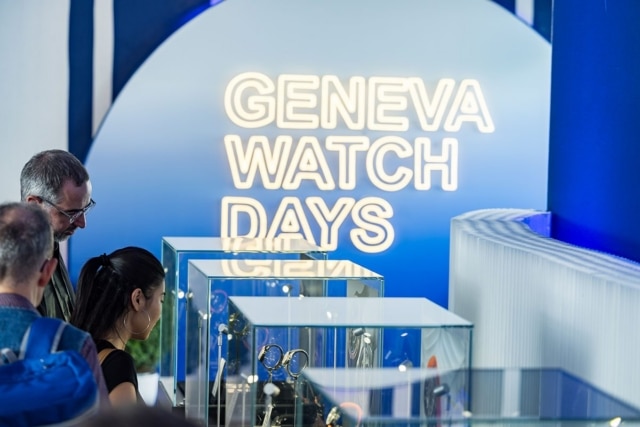
More than 150 new references will be shown at the Blue Box, arranged thematically around the Four Elements – Water, Earth, Air and Fire – in an immersive exhibition that is, like the entire event, free and open to the public. The word "free" deserves emphasis. In an industry that sometimes behaves as though accessibility is a threat, Geneva Watch Days has made openness its founding principle.
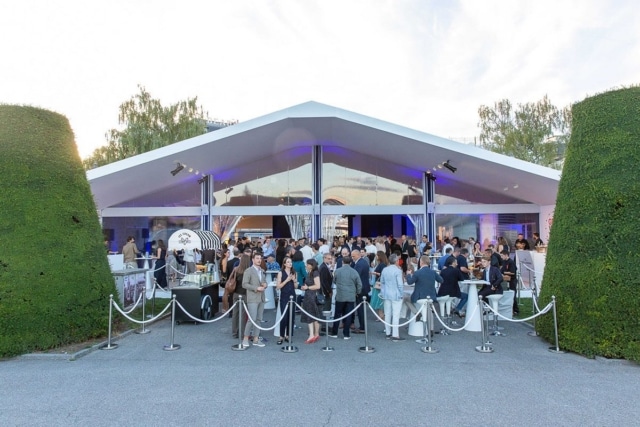
Geneva Watch Days runs September 2–6, 2026, at the Pavillon (Rotonde du Mont-Blanc) and locations across Geneva.
Free and open to the public. For more information, please visit Geneva Watch Days website