TimeForArt Auction Spotlight: Gerald Charles x Igor Mitoraj Luci di Nara






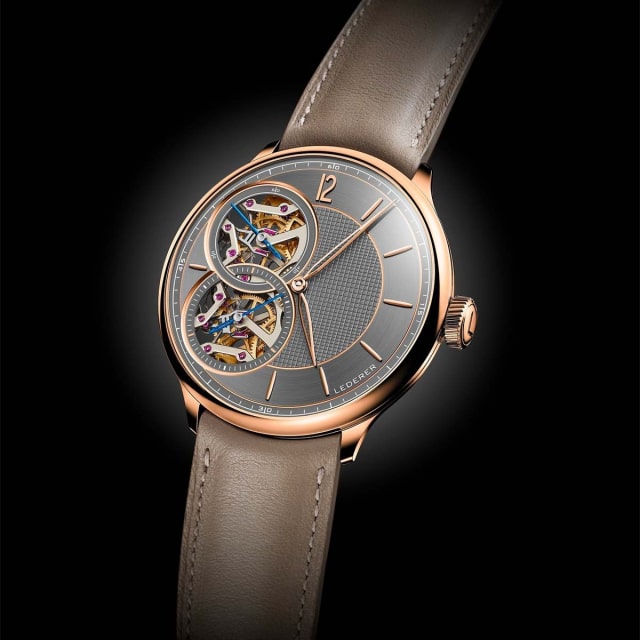
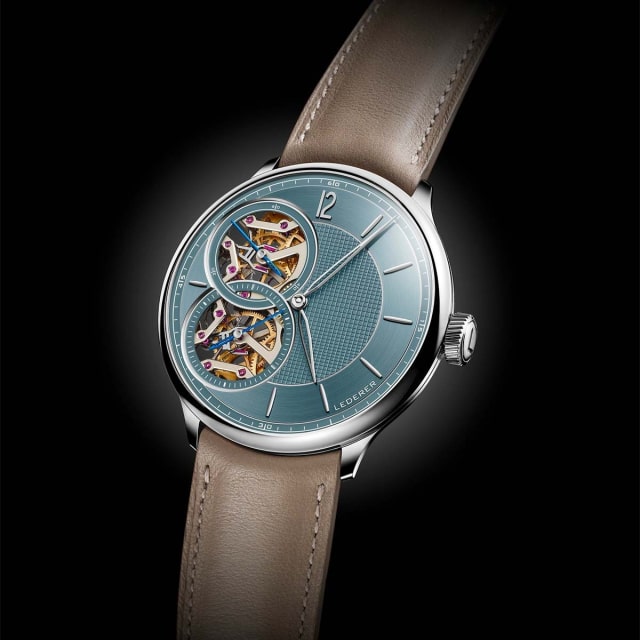
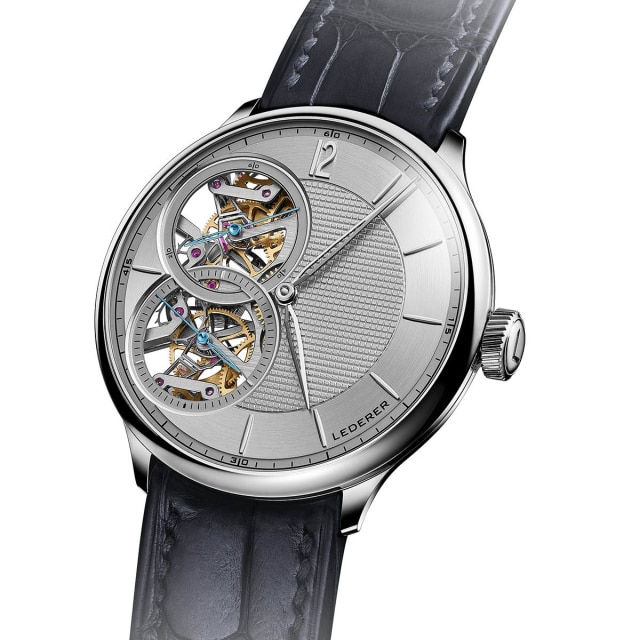
Lederer Central Impulse Chronometer 39

It was around 1600, thanks to Jost Bürgi, that an intermediate winding mechanism, the remontoir d’égalité, was first integrated into a clock. It significantly improved timekeeping accuracy by providing a more consistent power supply to the escapement. Since then, remontoirs have been fundamental in the evolution of precise timekeeping, featuring in the most significant timepieces, from astronomical clocks to marine chronometers.
The best-known example is John Harrison's H4, designed to maintain accurate time aboard ships. This innovative use of the remontoir inside a watch marked a significant advancement in timekeeping technology and won Harrison the Longitudinal Prize.
It is crucial to note that a variation of just five seconds in timekeeping can displace the navigation position by 2.5 kilometers from your actual location. This underscores the supreme importance of constant accuracy and regularity.
While remontoirs were nearly forgotten, they have experienced a renaissance in recent years, surpassing other equalization mechanisms like the chain and fusee in high-quality wristwatches.
Specs
Functions
Hours, Minutes, Seconds
Movement
Manufactured, Swiss Made
Case
White Gold, Polished, 10.70mm (thinness) x 39.00mm (diameter)
Buckle
Pin Buckle
Glass
Sapphire
Strap
Brown
Water resistance
3.00atm / 30.00m / 100.00ft
Year
2024
Reference number
9016