Basilia 2027: Can Basel’s New Fair Find Its Place in the Global Watch and Jewellery Market?





Opinions
Considered Opinion: The Soaking Wet Truth About Water Resistance Ratings
Watch water resistance ratings can range from the surprisingly minimal to the extremely unnecessary. Here’s an opinionated, real-world view on how to view and consider those telling specs.

Lead-off caveat: While I do cite some actual science in this piece, any recommendations or suggestions are purely based on my opinion, experience, and, admittedly, an overly cavalier attitude toward timepiece survivability. Your mileage may vary.
So, of the multitude of physical elements that can adversely affect your watch, from serious shock and impact damage to the subtler effects of magnetic fields and gravity, water is a watch’s most common enemy, and perhaps its most confusing. Regardless of the timepiece you wear, however, some degree of water resistance is most welcome, to be sure.
That said, I own some vintage timepieces that, even after some investment in restoration and repair – often investments that exceed the actual value of the watch itself – I just avoid wearing when it is raining.
However, with the advances in case construction, materials, and testing options, more elegant, ultra-thin non-dive watches with pretty-serious water resistance (WR) ratings (on paper) are fairly common. Even relatively low WRs of 10 or 20 meters translate into depths you’re not likely to scuba-dive past in everyday life. Still, don’t be misled.
Into the Lab
WR ratings are just that, ratings, not guarantees. They are generally determined by watch brands under controlled laboratory conditions that apply static, consistent pressure corresponding to certain water depths to a watch case.
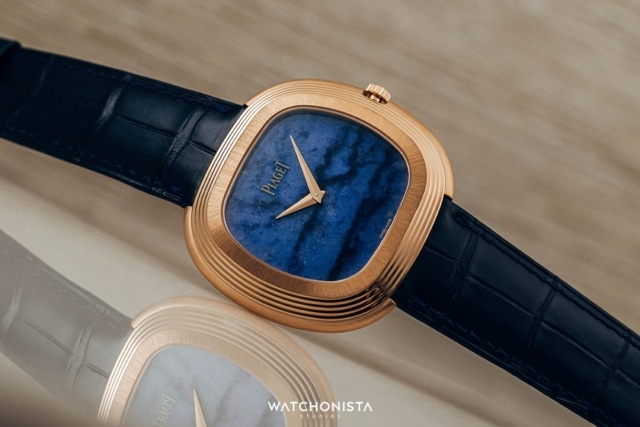
For watches with lower ratings, you should think of their water resistance as more moisture resistance, not strict water protection. So, with a rating of 10 to 20 meters of WR, you can generally rest easy about rain, more extreme humidity, handwashing, and splashes.
When you get up to say, a 50-meter WR, your waterborne options open up to pools and wetter activities. Once you are in that arena, most casual-use and accidental water-exposure incidents can be handled without incident.
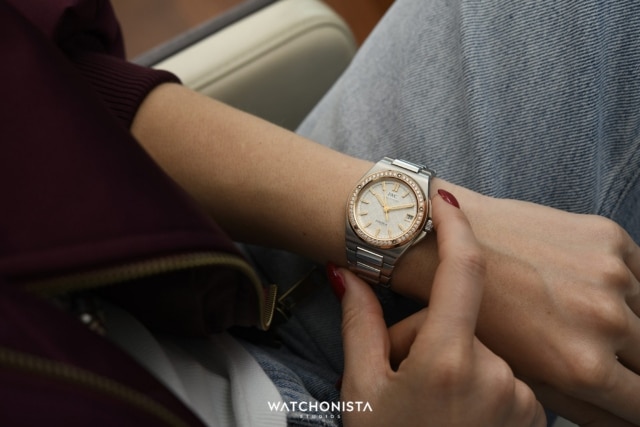
Even at these lower ratings, I’m comfortable sporting a watch in heavy rain, getting hosed by a passing car while strolling on the sidewalk, using my wrist to deflect water-balloon attacks, plunging my hand into a wash basin, or stepping into a hot shower.
That said, short of a rating of 100 to 200 meters of WR, I’m not taking it diving (at least not on purpose).
Diver Depths
At the other end of the spectrum, authentic dive watches can carry their own degree of water-resistance confusion, too. Opinions vary, but water resistance for a diving “tool” watch should be at least 100 to 200 meters to start.
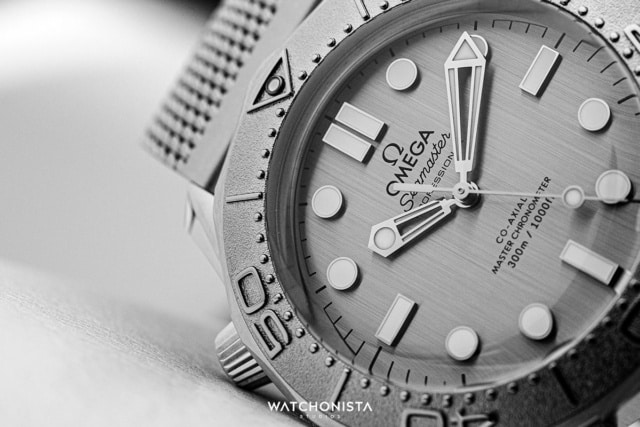
However, humans wearing a regular wetsuit and breathing standard air aren’t capable of diving to 200 meters (656 feet). Moreover, if a scuba diver like this wants to reach a depth of 100 meters (330 feet) without a pressurized submersible and with any degree of safety, they will need highly specialized equipment and training.
In fact, PADI (the Professional Association of Diving Instructors, the scuba world’s ne plus ultra authority on dive safety) recommends drawing a hard limit on recreational diving of just 30 meters (about 98 feet) for even its most advanced certifications.
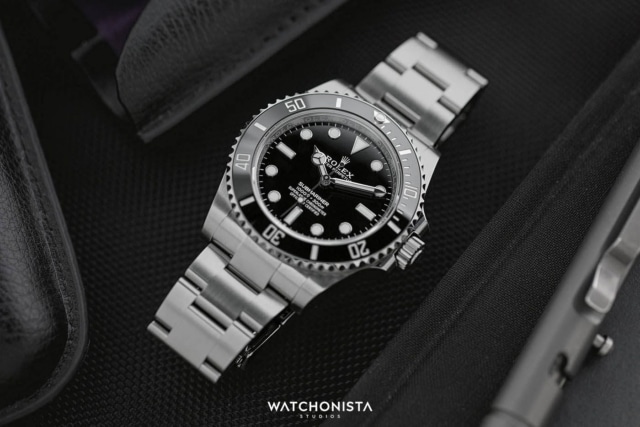
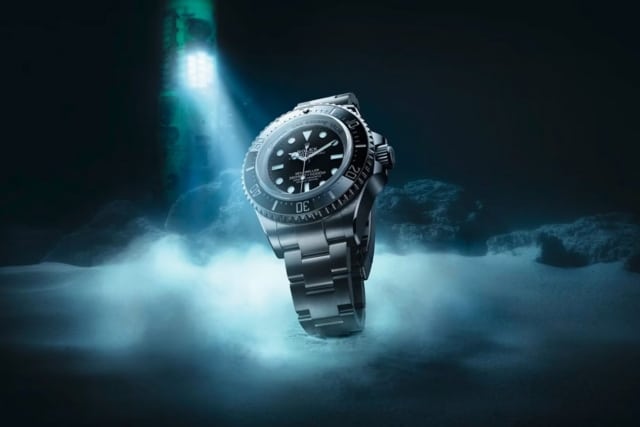
So why do we need dive watches like the Rolex Submariner or Omega Seamaster that start at about 300 meters of WR (1,000 feet) and go way up to extreme experimental depths like the Rolex Deepsea Challenge, which famously has a WR of 11,000 meters (over 36,000 feet) and could, theoretically, dive a bit deeper than the Mariana Trench?
Under Pressure
Just as you should think about lower water protection ratings more as moisture resistance, think of incredibly high WRs as providing added “pressure” resistance. High-end tool dive watches are crafted with the latest construction and sealing techniques and materials, and are purpose-built to keep water out of the mechanics at all costs (especially given salt water’s extra-corrosive properties).
Again, even these extreme ratings involve lab-based trials, but “ultra-deep” watchmakers often conduct dramatic real-world “torture tests” to support proof of performance. For instance, in 2019, Omega strapped a prototype of its Seamaster Planet Ocean Ultra Deep to the robotic arm of an exploration-grade submersible vessel for a dramatic voyage down to 10,935 meters and back as a particularly theatrical experiment. It returned unscathed.
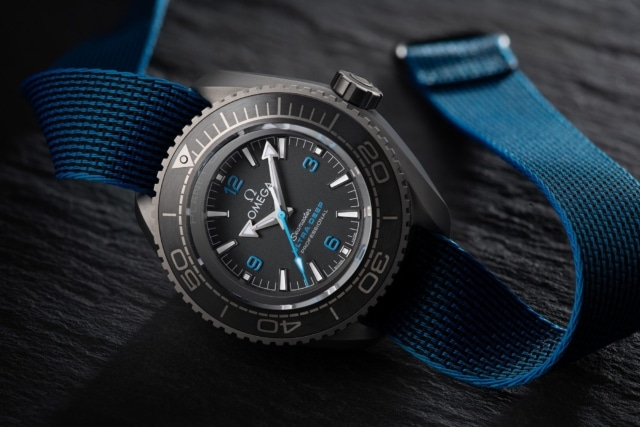
Certainly, these professional-plus WRs ensure protection and reliability for your timepiece in nearly every moist situation imaginable as much as they contribute to an owner’s bragging rights for their dive watch.
Still, even a more standard tool-watch 300-meter (about 1,000 feet) rating means that, if you are already diving deep (which means you’re anywhere from 18 to 40 meters below the surface), there is still a LOT of water between you and the bottom, so if your watch finds its way off your wetsuit, mounting a rescue/recovery mission for it will likely return a timepiece that is still in working condition.
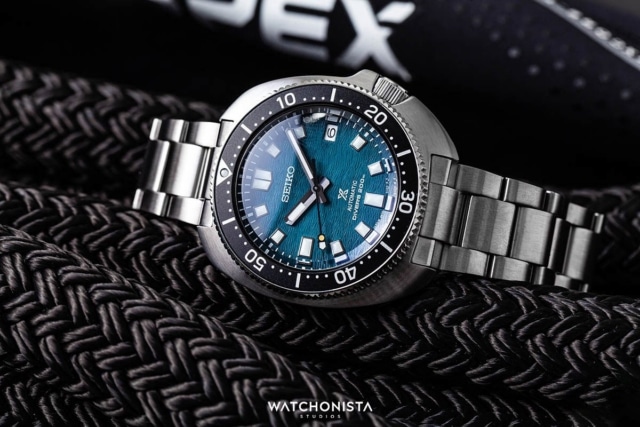
Don’t laugh, it happens: There is a very nice limited-edition Seiko Prospex “Turtle” dive watch of mine, with a 200m WR, that is probably still in functional condition on the sandy bottom of the waters off Key Largo. I neglected to try to retrieve it because I didn’t realize I’d lost it until we were back at the resort bar, but I do miss it. And that’s about as real-world as it gets for me.